
Efficient Domestic Plumbing and Heating Solutions: Domestic Plumbing Services
Efficient plumbing and heating systems are essential for any home. They provide comfort, safety, and convenience. I focus on practical solutions that save energy, reduce costs, and ensure reliability. This post covers key aspects of domestic plumbing services and heating solutions. It offers clear advice for maintaining and upgrading your home systems.
Understanding Domestic Plumbing Services
Domestic plumbing services cover a wide range of tasks. These include installing, repairing, and maintaining water supply and drainage systems. A well-functioning plumbing system prevents leaks, water damage, and health risks.
Common domestic plumbing services include:
Fixing dripping taps and leaking pipes
Installing new bathrooms or kitchens
Unblocking drains and toilets
Replacing old or faulty water heaters
Maintaining water pressure and flow
Regular maintenance is crucial. It helps detect small issues before they become costly problems. For example, checking for corrosion or worn-out seals can prevent pipe bursts. I recommend scheduling inspections at least once a year.
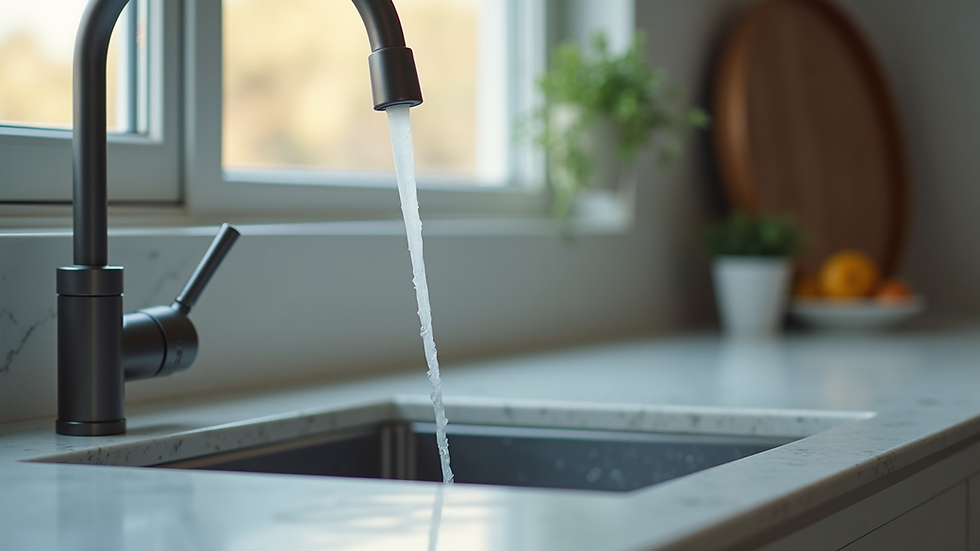
When choosing plumbing fixtures, opt for water-efficient models. These reduce water consumption and lower bills. Dual flush toilets and low-flow taps are good examples. They perform well without sacrificing comfort.
Efficient Heating Solutions for Homes
Heating systems keep homes warm and comfortable during cold months. Efficient heating reduces energy use and cuts costs. There are several types of domestic heating systems:
Gas boilers
Electric heaters
Heat pumps
Underfloor heating
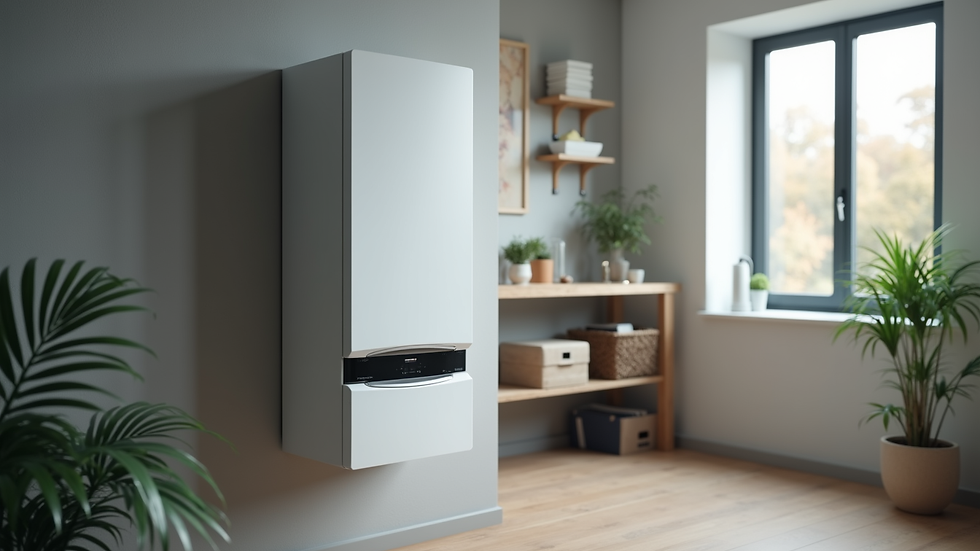
Gas boilers remain popular due to their reliability and cost-effectiveness. Modern condensing boilers are more efficient than older models. They recover heat from exhaust gases, saving fuel.
Electric heaters are easy to install but can be expensive to run. Heat pumps use outside air or ground heat to warm the home. They are energy-efficient and environmentally friendly but require a higher initial investment.
Underfloor heating provides even heat distribution. It works well with low-temperature systems like heat pumps. This method improves comfort and reduces energy consumption.
Regular servicing of heating systems is essential. It ensures safe operation and maintains efficiency. For example, bleeding radiators removes trapped air, improving heat output.
Choosing the Right Plumbing and Heating Contractor
Selecting a skilled and reliable professional is key to successful plumbing and heating projects. A qualified plumbing and heating contractor offers expert advice, quality workmanship, and compliance with safety standards.
When hiring a contractor, consider:
Experience and qualifications
Customer reviews and references
Transparent pricing and detailed quotes
Guarantees and aftercare services
A good contractor will assess your home’s needs and recommend the best solutions. They will also handle necessary permits and inspections.
Practical Tips for Maintaining Plumbing and Heating Systems
Proper maintenance extends the life of your systems and prevents emergencies. Here are some practical tips:
Check for leaks regularly - Inspect taps, pipes, and appliances for drips or moisture.
Insulate pipes - This prevents freezing in winter and reduces heat loss.
Flush your water heater - Remove sediment buildup annually to improve efficiency.
Test smoke and carbon monoxide detectors - Heating systems can produce harmful gases.
Clean or replace filters - This applies to boilers and heat pumps to maintain airflow.
Monitor water pressure - High pressure can damage pipes; low pressure affects performance.
Avoid chemical drain cleaners - Use mechanical methods or call a professional to clear blockages.
These steps help avoid costly repairs and improve system performance.
Upgrading for Energy Efficiency and Sustainability
Upgrading plumbing and heating systems can reduce environmental impact and save money. Consider these options:
Installing smart thermostats to control heating remotely
Using solar water heaters to harness renewable energy
Replacing old boilers with energy-efficient condensing models
Adding insulation to pipes and tanks
Switching to low-flow fixtures to conserve water
Government grants and incentives may be available for some upgrades. Check local schemes to reduce upfront costs.
Investing in efficient systems increases property value and comfort. It also aligns with modern standards for sustainability.
Planning for Long-Term Reliability and Comfort
Reliable plumbing and heating systems require careful planning and professional installation. When designing or renovating, think about:
Future needs and potential expansions
Accessibility for maintenance and repairs
Compatibility of new equipment with existing systems
Energy sources and fuel availability
Safety features and compliance with regulations
A well-planned system reduces downtime and unexpected expenses. It also ensures consistent comfort throughout the year.
Regular communication with your plumbing and heating contractor helps keep your systems in top condition. They can provide tailored advice and timely service.
Efficient domestic plumbing and heating solutions improve home comfort and reduce costs. By understanding your systems, maintaining them properly, and choosing the right upgrades, you can enjoy reliable performance for years. Regular professional support ensures safety and efficiency. Taking these steps protects your investment and enhances your living environment.
Comments